






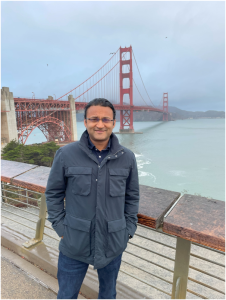
BY SANJITH MUKUND,
(Co-Founder, JrnyOn)
LONDON | 15 SEPTEMBER 2025
Tourism today is evolving faster than ever, shaped by new generations of travellers, shifting values, and fresh ways of experiencing the world. Along the way, many of the old labels we once used, such as “solo travel” and “group travel,” are being redefined. Solo travel no longer means being entirely on your own; for many, it now means joining a small group of like-minded individuals while still retaining independence. And group travel is no longer the old image of large buses and rigid itineraries. Instead, it has become a more intimate, curated way of journeying, one that allows people to connect deeply while exploring the world together.
In the past, group travel often meant large buses of older travellers being herded from one landmark to the next, with little flexibility or personalisation. For many, it was the only option available. Today, the model looks very different. Modern group journeys are smaller, curated, and built around shared passions. Millennials, Gen Z, and even older travellers are now discovering that the real joy of travel lies in forming meaningful connections rather than adhering to rigid itineraries.

The resurgence is deeply psychological. The pandemic triggered what many call a loneliness crisis. Over 40% of adults said it becomes harder to make new friends with age, and more than half admit to feeling lonely in their daily lives. Social media, while keeping us digitally connected, has often left people craving genuine belonging. Travel has become a bridge, turning reels into real experiences and giving like-minded individuals a chance to connect authentically.
Group travel also represents the best value for money. Many experiences, such as a private cultural performance, a local feast, or a guided expedition, are only possible with a group. Solo travellers often miss out on these moments unless they spend significantly more. Travelling together not only reduces cost, it unlocks richer experiences that wouldn’t otherwise exist.
Equally important is how the model aligns with today’s values. Smaller groups are better suited to sustainability, slow travel, and reducing overtourism. By moving in thoughtful numbers, travellers leave lighter footprints, spend more time in each destination, and build deeper cultural exchanges. It’s a shift from rushing through places to experiencing them with intention.
Millennials and Gen Z are driving this transformation. Millennials, balancing careers and families, value the convenience and richness of curated groups. Gen Z, raised on digital communities, is eager to take those connections offline, moving from likes and follows to shared sunsets and late-night conversations. Even older generations, once limited to impersonal bus tours, are embracing the authenticity and flexibility of this new approach.
From my personal experience of leading small groups to remote places like Madagascar and Central Asia, I’ve seen firsthand how quickly strangers become companions. A long day of shared adventure, an evening around a meal, or a moment of wonder in nature can spark bonds that last well beyond the journey. These are the memories travellers talk about years later, not only the landscapes and sunsets, but the friendships formed along the way.
For our industry, the lesson is clear: group travel has been reinvented. It is a way to address loneliness, deliver value, promote sustainability, and create human connections that endure. Group travel is more relevant than ever before.

Advertisement:














Add Comment