




BY INDER RAJ AHLUWALIA
( THE WRITER IS AN INTERNATIONALLY RENOWNED , MULTIPLE AWARD – WINNING TRAVEL JOURNALIST AND AUTHOR)
NEW DELHI | 2 DECEMBER 2025
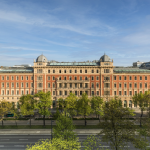
It isn’t just that it is Hessen’s grand old capital. It also happens to be a city of varied faces and facets.
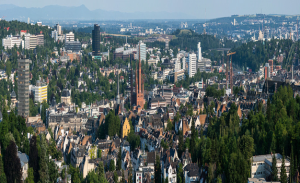
Let’s take a look back into Wiesbaden’s distant past! What unfolds is quite a tale.
It was as early as the year 40 AD, when the Romans erected a military stronghold border fort. And that started an urban success story.
Several factors contributed to this. A central location and the beneficial, curative powers of some 26 springs spawned the rapid growth of a civilian settlement and the development of a spa culture. By the 13th Century, the city had advanced to become a royal court and imperial symbol, and in the 18th Century, it prospered under the Dukes of Nassau. At the end of the Nassau era in 1866 and during the Prussian occupation, Kaiser Wilhelm 11 and Carl von Ibell, the Lord Mayor, founded a city that went on to exceed their expectations in terms of size and fame.
Favourably located between the Rhine and the foothills of the Taunus Mountains, Wiesbaden is touted as being a ‘green oasis’, retaining its lust flavor. With its Mediterranean climate and its residents’ ‘savoir vivre’ attitude, it’s title of the ‘Northern Nice’ is quite apt.
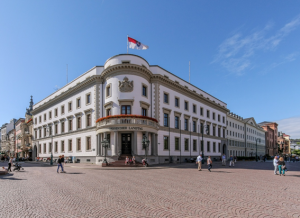
Romantic Classicism and Art Nouveau villas and houses, shape it’s contours, and its flair has been an inspiration to artists and composers, Brahms and Wagner, and the Expressionist painter, Alexey von Jewlensky.
Currently, Wellness is the city’s main attraction and claim to fame. The main spa is Kaiser-Friedrich-Therme, an oasis of well-being, a historic thermal bath heated by a hot spring, offering several therapies using natural treatment methods. Also featured are an Irish-Roman Bath, and a contemporary sauna landscape.
The curative waters of the 26 hot springs at the Kochbrunnen Fountain at Kranzplatz, the city’s symbol. The Kaiser-Friedeich-Therme near the Kochbrunnen, is also extremely popular. The result is the influx of worldwide health enthusiasts who flock here.
Things are nice and easy. Visitors stroll along the famous antiques street, the Taunusstrasse, through elegant malls, and especially, along the magnificent Wilhelmstrasse. Everyone makes it a point to taste the local specialty, ‘Sekt’ (German champagne) and Riesling, enjoy a bit of ‘dolce vita’ in street cafes, and try their hand at the casino.
It’s great to take a city walking or sight-seeing tour. Wedged between half-timbered houses and cobble-stone streets, several shops and boutiques try to seduce visitors with their special merchandise.
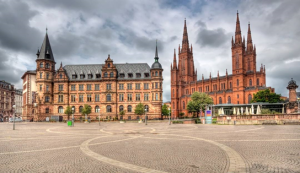
Once encircled by a city wall, the Altstadt (Old Town) sprawls between Wilhelmstrasse, Webergasse, Langgasse, Kirchgasse, and Friedrichstrasse. Your tour will take you past narrow twisted alleys lined with houses dating back to the 18th and 19th Centuries, and end up at the Baker’s Fountain in Grabenstrasse. There’s also the oldest preserved townhouse at Wagemannstrasse. The row of houses between these two streets is the heart of the historic quarter, locally known as the ‘Schiffchen’ or ‘Little Ship’. The focal point of the Old Town-today the venue of a bi-weekly farmers’ market-is the Schlossplatz (Palace Square).
‘A jewel among film theatres’ is how Wiesbaden-born director Volker Schlondorff described the Caligari Cinema, winner of the 2018 Hessen Culture Prize. The cinema makes the history of film accessible to modern audiences. A highlight is the Exground Film Festival, among Germany’s prominent independent cinema events.
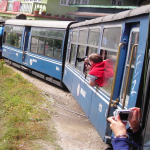
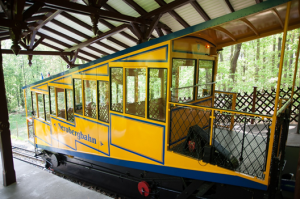
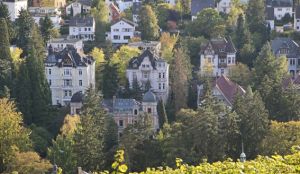
An absolute treat is the outing to Neroberg Hill and the ride on the Nerobergbahn funicular rail carriage. This unique rail artifact has run from the base station, across a viaduct, to the top station at a height of 245 metres since 1888, the era of Kaiser Wilhelm. It connects the Nerotal valley with Neroberg Hill, travelling 440 metres and overcoming a 25 per cent gradient. Located here is one of Germany’s few city vineyards, run by Kloster Eberbach. The grand finale of this outing is lunch at Opelbad Restaurant, with its famous outdoor, hill-perched, heritage-listed swimming pool surrounded by forests and vineyards. The stunning views over the city’s rooftops is a veritable treat in itself.
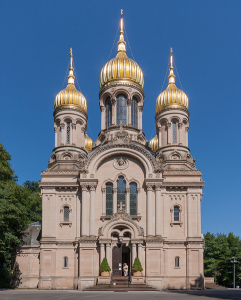
A short walk brings you to the Russian Church on Neroberg Hill, one of the finest, and among Germany’s most exquisitely decorated ecclesiastical buildings. Built by Duke Adolph of Nassau in the memory of his wife the Grand Duchess Elizabeth, a niece of the Russian Tsar, the church merits a stopover.
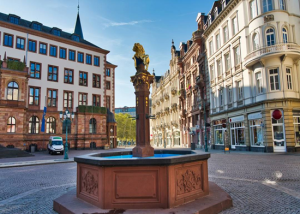
Nearby is the heritage-listed Dern’sche Gelande, monument. This generous plaza that once comprised a market cellar is now home to the Stadt-museum am Markt, known as ‘Sam’, the first to explore Wisebaden’s history.
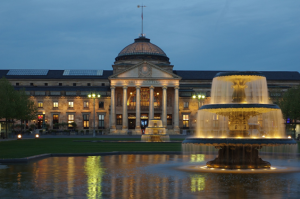
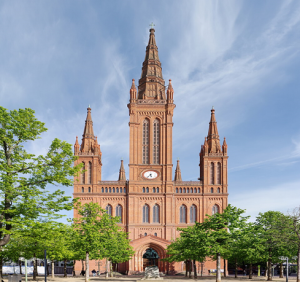
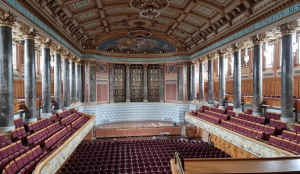
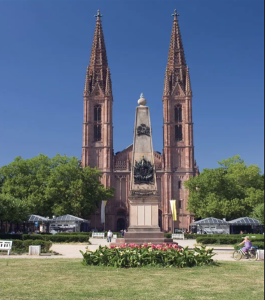
It’s also worth visiting the Lutheran Marktkirche (market church), the first brick building erected in the Duchy of Nassau, built as a Gothic Revival basilica with three naves, its 92 metres-high western tower making it the city’s tallest building. Offering year-round programmes are the grand and opulent State Theatre and the historic and magnificent Kurhaus.
German composer Richard Wagner and Russian poet Feodor Dostoevski tried their luck here. So what’s stopping you? Today the casino operates in the former wine hall of the Kurhaus, offering a truly magnificent setting.
Prepare to feast! Start at the Kunder Chocolaterie, an institution of the city which has kept its recipes a secret since 1898.
Move on to the picture-book type Café Maldaner. Officially designated as Germany’s first Viennese-style coffee house, it offers an assortment of handmade tortes, cakes and luxury chocolates beautifully displayed in old-fashioned cabinets. Savour it’s ambience, comprised of courteous old-world service and the aroma of coffee.
Also worth the effort is stopping by at Hepa Coffee Roastery that has offered quality coffee products for some 80 years! The company uses a patented method to remove the outer layer of the coffee bean, and also the bitter compounds found in conventional coffee products, making Hepa coffee truly exceptional.
Summer lends a festival air to things. The beginning of June sees ‘Theatrium’ on the splendid Wilhelmstrasse. The pedestrian zone is transformed into the longest wine pub in the world for ten days in August. The annual ‘Oldtime Rallye’ with some 180 international, historic automobiles, is a rolling museum that crosses the finish line in Wiesbaden. The Christmas Market downtown and the fantastic New Year’s Eve Party in the Kurhaus, end the year.
Wiesbaden is all about Imperial atmosphere-laden, quiet holidays in the heart of Germany. A sensational discovery of the Romans 2, 000 years ago, continues to be considered a ‘hot tip’ today. It’s official.
Fact File (IN BOX)
Wiesbaden is less than an hour by train from Frankfurt, Germany’s main aerial gateway.
Deluxe, standard and budget hotels form an elaborate city accommodation package.
The eating out experience is varied, easy and pleasant, with the famed regional Sekt and Reisling, enhancing the experience.
One needs a vehicle to scour the countryside, but it’s practical to walk around the city and Old Town area.
Located close to the rail station, the tourist office is very useful for tips and literature.

Advertisement:









Add Comment