








BY KAREENA BULCHANDANI, FOUNDER, MOKAI CAFE, MUMBAI
MUMBAI | 13 FEBRUARY 2026
When Mokai opened its doors on Chapel Road, Bandra in 2024, it entered a neighbourhood already saturated with cafés, restaurants, and social hotspots. Yet, within months, Mokai stood out. Not because it was louder or trendier, but because it offered something quieter and increasingly rare, a space designed for presence. Rooted in Japanese and Southeast Asian café culture, Mokai was conceived as more than a place to eat or drink. While starting Mokai, the process revealed lessons that went far beyond hospitality, touching on how people connect, slow down, and find meaning in shared spaces.
- A Café Is Ultimately About People, Not Plates:
While menus and interiors draw people in, it is human energy that makes them stay. In building Mokai, it became evident that guests are not just looking for good coffee or well-crafted food.
They are looking to feel seen and comfortable. Regulars return not only for a favourite drink but for familiarity, recognition, and warmth. The café gradually became a meeting point for conversations, solo afternoons, creative work sessions, and quiet moments, reinforcing that hospitality begins with understanding human behaviour, not chasing trends.
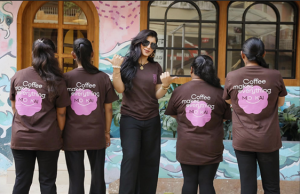
- Designing for Presence in a Fast City:
Mumbai moves quickly, often leaving little room to pause. Mokai was shaped as a deliberate contrast to this pace. Inspired by cafés across China, Singapore, and Southeast Asia, the space encourages lingering. Seating is designed to invite longer stays, lighting is soft, and the atmosphere resists urgency. While starting Mokai, it became clear that people crave environments where they do not feel rushed. Presence, not productivity, became the underlying design philosophy.
- Food and Coffee as Comfort, Not Performance:
The menu at Mokai reflects Asian café-style comfort rather than elaborate fine dining. Japanese-inspired design elements and Southeast Asian flavours come together in a way that feels approachable. While building the café, the focus remained on balance, familiar yet interesting, thoughtful but not intimidating. Coffee, central to Mokai’s identity, is treated with respect but without pretension. This approach reinforces the idea that food and beverage should support the experience, not overshadow it.
- Community Is Built Through Consistency:
Viral moments and seasonal décor may spark initial interest, but community takes shape through everyday consistency. From service and quality to the overall mood of the space, reliability plays a quiet but critical role in building trust. When guests know what to expect, they return with ease and familiarity. Over time, the café naturally evolved into a third place, somewhere between home and work, where young professionals, Gen Z, and creatives feel comfortable spending time. While starting Mokai, it became evident that loyalty is rooted less in constant novelty and more in emotional comfort and connection.
- Purpose Shapes Longevity:
Mokai’s name itself reflects its ethos, “moka” from the coffee pot and “ai,” meaning love in Japanese. This idea of heartfelt hospitality guides every decision, from menu development to experiential concepts. Purpose acts as an anchor, especially in a competitive market. While building Mokai, aligning daily operations with a larger vision helped maintain clarity. The café is not just about expansion or scale, but about creating spaces that feel intentional and human.
Building Mokai in Bandra has been as much an exercise in understanding people as it has been about running a café. It reaffirmed that meaningful spaces are those that allow people to slow down, connect, and feel at ease. As Mokai continues to grow as an experiential café brand, the purpose remains unchanged, to create warm, welcoming environments where presence is valued and community forms naturally. In a city that rarely pauses, Mokai stands as a reminder that sometimes, the most impactful experiences are the quiet ones.

Advertisement:












Add Comment