







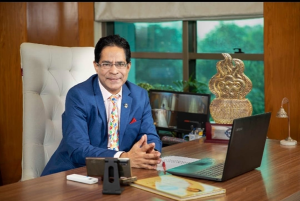
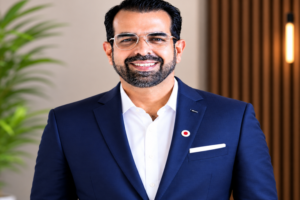
BY DR. SUBORNO BOSE,
CHAIRMAN, INTERNATIONAL INSTITUTE OF HOTEL MANAGEMENT (IIHM)
KOLKATA | 29 APRIL 2026
The hospitality industry stands at a defining moment of transformation. As global expectations evolve and new challenges emerge, the sector is moving beyond its traditional role of service delivery to embrace a more purposeful, people-centric approach. According to Dr. Suborno Bose, Chairman of the International Institute of Hotel Management (IIHM), the future of hospitality lies in creating meaningful experiences, driven by human connection, sustainability and innovation. In this authored perspective, he reflects on how the industry can build a more inclusive, responsible and globally respected future.
From Service to Meaningful Experiences :
Hospitality has long been associated with efficient service such as comfortable rooms, well-served meals and seamless guest interactions. However, the definition is rapidly expanding. Today, it is not just about delivering a service but about creating memorable, purpose-driven experiences.
At its core, hospitality is about people. The real essence of the industry lies not in infrastructure or luxury elements, but in human connection. A grand setting may impress, but it is the warmth, empathy and attentiveness of people that truly create a lasting impact. This shift marks the transition from transactional service to emotional engagement.
This evolution can be understood through the idea of the three P’s; People, Passion and Pride, which together shape the fourth P: the Product. The modern hospitality ‘product’ is no longer tangible alone rather it is the experience crafted through human interaction.
Sustainability as a Core Imperative :
Sustainability is no longer a choice; it is essential for the survival and growth of the hospitality industry. From sourcing to operations, every aspect must align with responsible practices.
One of the most effective approaches is local sourcing not just of ingredients, but of talent. Hiring from local communities strengthens authenticity, enhances guest experience and supports livelihoods. A guest’s experience becomes richer when guided by someone who understands the local culture and environment.
Equally important is tackling food waste. Overproduction remains a significant issue, especially in large hospitality setups. Reducing waste through better planning is both an operational necessity and a social responsibility.
Plastic usage is another critical concern. While many establishments are transitioning to glass bottles and in-house water systems, the broader ecosystem, including food delivery and small vendors must also adopt sustainable alternatives.
Profitability Through Sustainability :
Contrary to common perception, sustainability does not reduce profitability instead it enhances it. Simple changes, such as replacing packaged water with in-house filtered systems, significantly cut costs. Similarly, the use of technology like AI in demand forecasting helps reduce overproduction and minimize waste.
Initiatives like kitchen gardens allow hotels to grow their own herbs and ingredients, reducing dependency on imports while improving freshness and quality. These practices demonstrate that sustainable operations are not only environmentally responsible but also economically beneficial.

Building Inclusivity Through Skills and Opportunity:
Inclusivity in hospitality begins with how talent is identified and nurtured. The industry must move beyond a narrow focus on formal degrees and embrace skill-based hiring. Many roles require practical skills, adaptability and the right attitude more than academic credentials. By investing in skill development and opening opportunities to young talent, especially from local communities, hospitality can become more inclusive and accessible. Local hiring also brings additional advantages such as employees stay closer to their families, experience higher job satisfaction and contribute more meaningfully to guest engagement.
The Power of Attitude in Hospitality:
In hospitality, attitude is everything. Passion, pride and a genuine desire to serve are the most valuable traits. Technical skills can always be taught, but empathy and warmth define true excellence. The ability to make guests feel comfortable, valued and cared for is what sets great hospitality apart. Language, often considered a barrier, is becoming less relevant. Some of the world’s best hospitality destinations operate primarily in their native languages. What matters most is the ability to connect with people.
Indian Hospitality on the Global Stage:
Indian hospitality brands are increasingly making their mark globally. Their strength lies in their ability to combine international standards with rich cultural authenticity. The way forward is to amplify this uniqueness. Hotels must go beyond standard offerings and showcase local stories, traditions and experiences. Whether it is the heritage of a region or its culinary identity, storytelling can significantly elevate the guest experience. India’s diversity is its greatest advantage and leveraging it effectively can position Indian brands as global leaders.
Balancing High Tech with High Touch:
Technology is reshaping the hospitality landscape, but its role is to enhance not to replace the human experience. The future lies in balancing ‘high tech’ with ‘high touch.’ Artificial intelligence (AI) can improve efficiency, streamline operations and support decision-making. However, it cannot replicate human empathy, warmth or emotional intelligence. Those who embrace technology will become more effective, while those who resist it risk falling behind. Ultimately, technology should empower people, not replace them.
Making Hospitality a Career of Choice:
Hospitality is already a global and respected industry, but attracting top talent requires continued progress. Improving compensation, career growth opportunities and working conditions will make the industry more aspirational for young professionals. Encouragingly, several organizations are already moving in this direction.
At its heart, hospitality remains a people-driven industry. Investing in talent is not just necessary but it is the key to long-term success. As the industry evolves, it is clear that hospitality is no longer confined to service. It is about creating connections, embracing responsibility and delivering experiences that resonate.

Advertisement:














Add Comment