
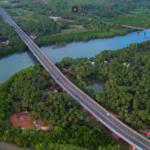





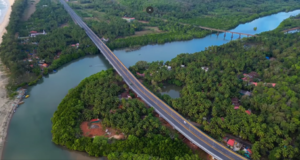
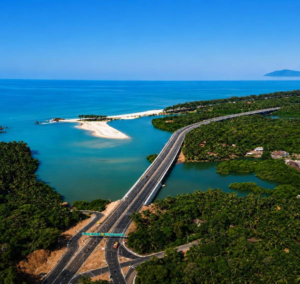
(The 7.74-km Canacona Bypass in South Goa showcases how highway infrastructure connects communities while traversing the scenic landscapes of the Konkan coast)
TTT NEWS NETWORK
NEW DELHI | 16 NOVEMBER 2026
A journey along National Highway 66 (NH-66) in South Goa offers more than connectivity between destinations. Against the backdrop of rivers, forest cover and the Arabian Sea, the highway takes motorists through some of the most picturesque landscapes of the Konkan coast. The Canacona Bypass, in particular, brings together modern road infrastructure and the natural beauty of coastal Goa.
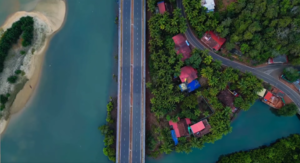
As the highway crosses the Galgibag, Talpona and Maxem rivers through three bridges, it offers striking views of shimmering waters, green landscapes and the coastline. Near Galgibaga Beach, the confluence of the river and coastal landscape adds to the scenic character of this stretch, making the journey as memorable as the destination.
Canacona Bypass: Strengthening Regional Connectivity
Developed under aegis of the Ministry of Road Transport and Highways (MoRTH), the 7.74-km, four-lane Canacona Bypass, operational since 2019, connects Char Rasta to Mashem in South Goa. An important section of NH-66, the bypass improves connectivity through the Canacona region and provides a convenient route for commuters, local residents and visitors.
By facilitating the movement of people and goods, the bypass supports local businesses, livelihoods and access to important destinations. Its three river bridges are key components of this infrastructure, ensuring uninterrupted movement across waterways while offering expansive views of the surrounding landscape.
NH-66: A Major Highway Along India’s Western Coast
The Canacona Bypass forms part of NH-66, one of India’s major coastal highways, extending approximately 1,600 km from Panvel in Maharashtra to Kanyakumari in Tamil Nadu. Traversing five states—Maharashtra, Goa, Karnataka, Kerala and Tamil Nadu—the highway connects important towns, commercial centres, ports and tourist destinations along the western seaboard.
Running broadly parallel to the Arabian Sea and the Western Ghats, NH-66 serves as an important corridor for passenger and freight movement. It facilitates the transportation of agricultural produce, fisheries and industrial goods, linking local businesses and producers with wider markets. Its connectivity to commercial centres and ports also supports trade, tourism and regional economic activity.
A Highway Through Diverse Landscapes
From Panvel, NH-66 traverses Maharashtra’s Konkan region, passing through Pen, Mahad, Chiplun and Ratnagiri before entering Goa. It connects key destinations such as Panaji and Margao before continuing towards Karnataka through Karwar, Udupi and Mangaluru.
Further south, the highway passes through Kerala’s Kannur, Kozhikode, Kochi, Alappuzha, Kollam and Thiruvananthapuram, before reaching Kanyakumari in Tamil Nadu, where it connects with NH-44.
Along this route, the landscape changes from river estuaries and forested hills to beaches, fishing settlements and bustling commercial centres. These varied surroundings reflect the geographical and cultural diversity of India’s western coastline and the communities connected by this highway.
Infrastructure Connecting People and Places
The Canacona Bypass reflects how highway development goes beyond improving road connectivity. By facilitating smoother movement, supporting economic activities and connecting communities, such infrastructure contributes to regional development while serving the everyday needs of road users.
On Goa’s NH-66, bridges across rivers, stretches of greenery and views of the Arabian Sea add a distinctive dimension to the journey. The Canacona Bypass thus stands as an example of how highway infrastructure can strengthen connectivity while taking travellers through the natural landscapes that define India’s western coast.

Advertisement:


















Add Comment