







TTT NEWS NETWORK
NEW DELHI | 11 FEBRUARY 2026
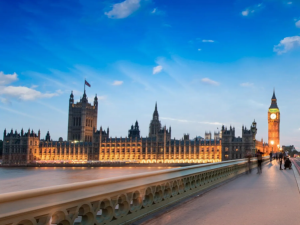
The World Travel & Tourism Council (WTTC), which represents the private sector in the travel & tourism industry, has cautioned against the introduction of new local visitor levies in England, warning that additional costs and fragmented local policies risk fewer jobs, as well as further weakening the UK’s competitiveness at a time when the sector’s growth is already lagging behind global recovery.
The warning comes as the UK government consults on proposals to give Mayoral Strategic Authorities the power to introduce overnight visitor levies. WTTC analysis shows that the UK is underperforming relative to global peers and that new charges on visitors would likely exacerbate existing challenges rather than address them. These charges would also have the biggest impact on SMEs, the tens of thousands of owners of small hotels, restaurants and local shops.
Recent WTTC data shows global Travel & Tourism GDP is forecast to have grown by 6.7% in 2025, while the UK is expected to have grown by just 4.3%, meaning UK growth is running at 36% below the global average.
Travel & Tourism supports around 4.5 million jobs in the UK, equivalent to roughly one in eight jobs nationwide, underlining the importance of maintaining competitiveness in a sector that plays a critical role in employment and regional growth.
Over the last four years, one in three jobs globally has been created by the sector but new jobs are at risk in the UK with policies such as visitor levies. Tourists have more reason to choose destinations without such levies in place.
At the same time, the UK already ranks 113th out of 119 countries for price competitiveness, according to the World Economic Forum’s 2024 Travel & Tourism Development Index, reflecting the cumulative impact of high taxes, operating costs and administrative burdens on visitors.
Glora Guevara, President and CEO of WTTC, commented: “New visitor levies in the UK would dent growth, restrict job creation and risk making the country far less competitive in the global economy. Our research proves time and time again that higher levies force travellers and businesses to choose alternative destinations as they opt for more affordable and predictable markets to visit and invest in. It is certain that jobs would go to other destinations outside of the UK. Policymakers need to focus on making the UK more competitive, re-investing tourism-generated revenues more effectively.”
WTTC research consistently shows that travellers are becoming increasingly price sensitive, particularly in a weaker economic environment. Across all traveller segments, cost and value for money outweigh other considerations when choosing where to travel. Even among sustainability-minded consumers, higher prices tend to reduce demand rather than change behaviour, meaning additional levies are more likely to divert visitors to competing destinations than deliver policy objectives.
Evidence already suggests travellers are choosing alternative destinations, with industry estimates indicating that billions in potential visitor spending are being redirected away from the UK as travellers opt for markets which are more certain.
WTTC is particularly concerned that devolving levy powers to individual cities or regions would create a fragmented and uncertain policy landscape for visitors and businesses. Analysis of destination management policies shows that local visitor taxes may raise more money but often fail to address underlying infrastructure or capacity challenges. Instead, they increase complexity, discourage investment and undermine long-term competitiveness when not paired with clear national strategy and reinvestment frameworks.
WTTC therefore advises against the introduction of new visitor levies in England and urges policymakers to focus instead on improving the UK’s overall competitiveness. This includes reducing the cost burden on visitors, providing a stable and consistent national policy environment, and ensuring that existing tourism-generated revenues are reinvested effectively to support destinations, infrastructure and local communities.
Without such an approach, WTTC warns that new levies risk further slowing growth, reducing visitor numbers and undermining one of the UK’s most important export sectors at a critical moment in the global Travel & Tourism recovery.

Advertisement:


















Add Comment