





LEAD NEWS : SHARE PRICES OF TRAVEL AND TOURISM STOCKS RALLIES SHARPLY AFTER THE UNION BUDGET 2026-27 ANNOUNCEMENT, REFLECTING THE POSITIVE MOOD OF THE
INDUSTRY LEADERS
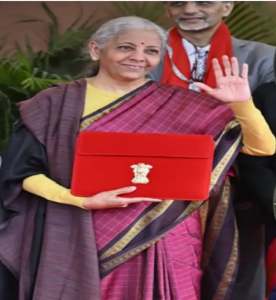
(Union Budget 2026–27 Delivers Unprecedented Boost to Tourism, Culture and Heritage: Gajendra Singh Shekhawat)
BY DEBAJYOTI CHAKRABORTY
KOLKATA | 2 FEBRUARY 2026
The share prices of travel and tourism sector stocks like Ease My Trip, Lemon Tree Hotels, ITC, Yatra Online, EIH, IRCTC, Mahindra Holidays, TBO Tek, BLS International Services etc rallied sharply after
the budget announcement of Finance Minister Nirmala Sitaraman, also reflecting the positive mood of the industry leaders.
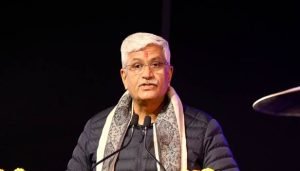
(Mr. Gajendra Singh Shekawat)
The Union Minister of Tourism and Culture, Mr. Gajendra Singh Shekhawat, has welcomed
the Union Budget 2026–27, stating that it provides unprecedented and far-beyond-
expectations encouragement to the tourism and culture sectors. In a message shared on social
media, the Minister described the Budget as forward-looking and transformative, saying it
will accelerate development and firmly position India as a global tourism hub and cultural
leader.
He extended heartfelt congratulations to PM , Mr.Narendra Modi for his visionary leadership
and expressed gratitude to FM Smt. Nirmala Sitharaman for presenting a Budget that gives an
unparalleled boost to heritage, spirituality, skills, and sustainable tourism growth.
The Budget outlines a wide range of initiatives aimed at strengthening tourism infrastructure,
preserving cultural heritage, promoting eco-tourism, and enhancing skill development.
Major Announcements:
The Budget proposes the development of thematic tourism trails across India, including:
· Mountain Trails in Himachal Pradesh, Uttarakhand, and Jammu & Kashmir
· Eco & Nature Trails in Araku Valley (Eastern Ghats) and Podhigai Malai (Western
Ghats)
· Turtle Trails along key nesting sites in Odisha, Karnataka, and Kerala
· Bird Watching Trails at Pulicat Lake in Andhra Pradesh and Tamil Nadu
A major cultural initiative includes the development of 15 archaeological sites such as Lothal,
Dholavira, Rakhigarhi, Adichanallur, Sarnath, Hastinapur, and Leh Palace into vibrant,
experiential destinations blending conservation with visitor engagement.
To strengthen spiritual tourism, a new scheme for Buddhist Circuits in the North-East will be
launched, covering Arunachal Pradesh, Sikkim, Assam, Manipur, Mizoram, and Tripura. The
scheme will include preservation of temples and monasteries, pilgrimage interpretation
centres, improved connectivity, and pilgrim amenities.
Skill development receives a significant push with a proposal to provide world-class training
to 10,000 tour guides across 20 major destinations through a pilot project in collaboration
with the Indian Institutes of Management (IIMs) using both online and offline modes.
In a major education reform, the National Council for Hotel Management will be developed
into a National Institute of Hospitality, strengthening professional training and aligning
hospitality education with global standards.
To promote India as a medical tourism hub, the Budget proposes support to states for
establishing five regional medical tourism hubs.
India will also host the first Global Big Cat Summit, bringing together leaders and ministers
from 95 countries, further reinforcing India’s leadership in wildlife conservation and eco-
tourism diplomacy.
Additionally, the Budget envisions the creation of five major tourism destinations in the
Purvodaya States, supporting balanced regional development.
Shri Shekhawat emphasized that these initiatives will generate employment, promote
sustainable practices, strengthen local economies, and deepen global engagement with India’s
civilizational heritage.
Key Highlights:
1. Thematic Tourism Trails launched across mountains, coasts, wetlands, and
biodiversity zones.
2. 15 Iconic Archaeological Sites to be transformed into experiential heritage
destinations.
3. Buddhist Circuit Development in North-East with preservation, connectivity, and
pilgrim facilities.
4. 10,000 Tour Guides to Receive IIM-led World-Class Training.
5. National Council for Hotel Management to Become National Institute of Hospitality.
6. Five Regional Medical Tourism Hubs & Global Big Cat Summit to Boost Niche
Tourism.
REACTIONS FROM TRAVEL AND TOURISM SECTOR LEADERS:
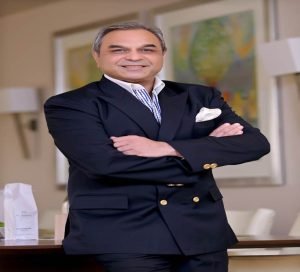
( Mr. Anil Chadha)
Mr. Anil Chadha, Managing Director, ITC Hotels Limited “The
Budget’s renewed focus on tourism is a strong vote of confidence in
an industry that creates livelihoods at scale, supporting local
entrepreneurs, artisans, and communities across the tourism value
chain. The proposed upgradation of National IHMs and the NCHMT
(National Council for Hotel Management and Catering Technology),
alongside structured guide skilling initiatives, will significantly
strengthen service quality and global competitiveness in hospitality.
The emphasis on medical tourism further positions India as a trusted
destination combining care, capability and hospitality. Equally
transformative is the push towards a digital and AI-enabled tourism
knowledge framework, which will enhance discoverability, planning
and destination management. The Budget’s ‘Growth
Connectors’—seven high speed rail corridors will enhance
connectivity between western, southern & eastern parts of the
country. The focus on adventure tourism including trekking, hiking
and wildlife trails along with development of Buddhist circuits across
North-East states highlights the importance of responsible,
experience-led growth that protects the very destinations travellers
seek. Together, these measures present a timely opportunity to build
India’s tourism advantage on quality, authenticity and sustainability.”
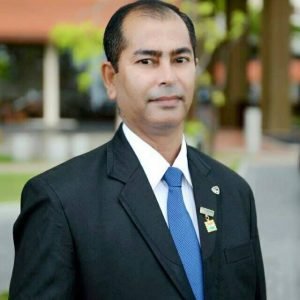
( Dr. Kaulesh Kumar)
“The Finance Minister has filled the small vessel of tourism with the vast ocean of all-round
development. Thank you, Minister, for emphasizing the promotion of domestic, inbound, and
outbound tourism, as well as water, air, and land-connected tourism in your budget. Thank
you for focusing on the northeastern states and the Buddhist circuit, as well as cultural and
spiritual tourism,” said Dr. Kaulesh Kumar General Secretary Association of Buddhist Tour
Operators ( ABTO).

“The Budget reinforces the government’s sustained focus on travel
and tourism as a long-term growth driver. The rationalisation of TCS
on overseas tour packages is a welcome step that addresses upfront
liquidity impact on Indian outbound travellers. The government’s
infrastructure-led investments have played an important role in
supporting the growth of domestic tourism, and it is encouraging to
see this momentum being sustained. Continued focus on regional
connectivity and destination development, along with an emphasis
on skilling and the creation of a national digital repository for
destinations, will help improve destination discovery and enhance
the overall traveller experience,” said Mr Rajesh Magow, Chair, FICCI
Tourism Committee and Co-Founder and Group CEO, MakeMyTrip.

( Ms. Richa Adhia)
“We appreciate the government’s focus in the Union Budget 2026 on
creating dignified livelihood opportunities and nurturing young talent
within India’s hospitality sector. Investments in professional guides,
world-class hospitality talent hubs, and skill development initiatives
will raise service standards and strengthen local employment.
Alongside these workforce measures, efforts to reimagine heritage
sites, promote digital destinations, expand eco-trails, and develop
sustainable adventure and medical tourism are expected to boost
visitor engagement and attract global travellers. Together, these
initiatives signal a forward-looking and positive Budget for the
hospitality industry,” adds Ms. Richa Adhia, Managing Director of
Eight Continents Hotels & Resorts, which has massive expansion
plans to have 50 hotels by 2030.
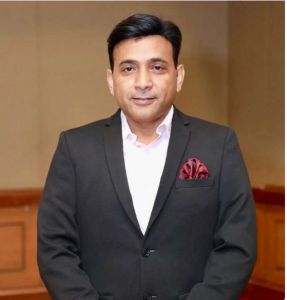
( Mr. Ravi Gosain)
“The Union Budget’s clear focus on tourism is timely and
encouraging. It rightly recognizes tourism as a major contributor to
employment generation, foreign exchange earnings, and inclusive
economic growth. We welcome the emphasis on institution-building
through the National Institute of Hospitality and the large-scale
skilling of tourist guides, stating that these measures will strengthen
professionalism and enhance India’s global tourism competitiveness.
The proposed National Destination Digital Knowledge Grid as a
forward-looking initiative that will help preserve India’s cultural and
heritage assets while benefiting local communities and tourism
stakeholders. The industry is particularly encouraged by the focus on
eco-tourism, trekking, and wildlife trails, in line with global demand
for sustainable and experience-based travel. While the 2% TCS on
outbound spending is a positive regulatory step, the industry is
disappointed by the absence of a dedicated allocation for overseas
tourism promotion, which is crucial for driving inbound tourism in
the country,” said Mr. Ravi Gosain, President of Indian Association of
Tourism Operators (IATO).
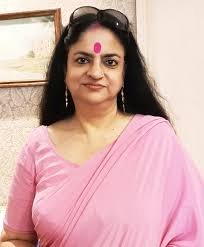
( Smt. Jyoti Mayal)
“I welcome Budget 2026 and delighted to see that several initiatives we had
proposed during our meeting with the Finance Minister have been
incorporated. The proposal to set up the first-ever National Institute of
Hospitality, which I have been advocating for over time and had discussed
with the Finance Minister during budget consultations. This initiative will
be transformative for hospitality education and skill development, creating
a future-ready workforce for India’s growing tourism and hospitality
sector. Reducing TCS to 2% is a welcome, pro-growth move that eases
compliance and boosts liquidity, I have been advocating for this since I was
the TAAI President & reiterated this in our November meeting with FM,
this will make international travel more affordable and bring in ease of
doing business is a very positive move, it will boost tourism, encourage
global exposure, and benefit both travelers and the travel industry. Coupled
with a focus on eco-friendly initiatives and enhanced tourism connectivity,
the budget opens new avenues for travel service providers, driving
sustainable growth and enriched experiences for travellers. For tourism, the
focus on positioning India as a global hub for affordable, high-quality
healthcare is visionary. Improved last-mile connectivity to remote
destinations will boost tourism, while strengthening spiritual tourism in the
North East will attract global pilgrims and foster cultural exchange.The
pilot to train 10,000 guides at iconic destinations, supported by IIMs,
reflects a strong commitment to grassroots skilling and enhancing visitor
experiences. Infrastructure development is another positive step, laying the
foundation for improved connectivity, economic growth, and long-term
sectoral development,” says Smt. Jyoti Mayal, Chairperson of Travel and Hospitality Skill Council.
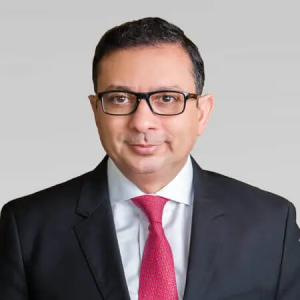
( Mr. Zubin Karkaria)
“The General Budget charts a strong roadmap to Vision 2047,
positioning tourism, mobility, and human capital as engines of long-
term growth. By recognising tourism as a catalyst for jobs, foreign
exchange, and regional development, the government is building a
more competitive and resilient travel ecosystem. The emphasis on
capacity building is encouraging with measures towards
infrastructure development, skill enhancement, and institutional
support that will help strengthen service quality, destination
readiness, and ease of doing business. Initiatives like the National
Institute of Hospitality, upskilling of tourist guides, and the National
Destination Digital Knowledge Grid will have an enduring impact in
the long-term. Sustainable, heritage, and experiential tourism, along
with support for medical tourism hubs, will diversify India’s offerings,
while reductions in TCS on overseas tour packages and TDS under
the Liberalised Remittance Scheme for education will ease financial
pressure on Indian travellers and students, boosting global mobility
and connectivity,” says Mr. Zubin Karkaria, Founder & CEO, VFS
Global.

( Mr. Varun Chadha, CEO, TIRUN Travel Marketing)
” The Budget makes a strong and much-needed push for services, travel, and tourism. One of the most significant and long-awaited moves for the outbound travel industry is the proposal to bring TCS on overseas tour packages down to a flat 2%, without any threshold. This has been a long ask from the industry, and for travellers, it is a huge positive—making international travel more affordable, improving cash flow, and removing a major friction point at the time of booking. The emphasis on tourism-led growth, including cruise tourism as part of the broader travel ecosystem, signals a clear intent to diversify and deepen India’s tourism offerings. Equally important is the focus on seaplanes and last-mile connectivity, which can unlock remote destinations, improve access to island and coastal regions, and create entirely new travel experiences. Together, these measures support a more inclusive, customer-centric, and future-ready tourism landscape,” says Mr. Varun Chadha, CEO, TIRUN Travel Marketing.

Advertisement:












Add Comment