





*Chanderi and Maheshwar’s handloom traditions are weaving a new identity through tourism
*Women play a pivotal role in preserving the state’s cultural heritage while creating sustainable livelihoods
TTT NEWS NETWORK
BHOPAL| 6 AUGUST 2026
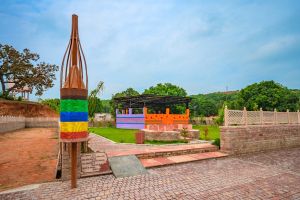
Through continuous innovation, Madhya Pradesh has demonstrated that preserving traditions and shaping the future can go hand in hand. On the occasion of National Handloom Day (August 7), the spotlight is on Pranpur, a village located just 3–4 kilometres from Chanderi. Recognized as India’s first Craft Handloom Tourism Village, Pranpur has become a model for the entire country. For centuries, the village has been home to skilled weavers whose craftsmanship has given birth to the world-renowned Chanderi sarees.
Inspired by the success of Pranpur, the Madhya Pradesh Tourism Board is now developing two more Craft Handloom Tourism Villages, one at Keriyakhedi near Maheshwar, centred on the famous Maheshwari weaving tradition, and another at Kukshi in Dhar district, dedicated to the iconic Bagh print craft. While many states currently have only one craft village, Madhya Pradesh is set to become the only state in India with three Craft Handloom Tourism Villages. The model has received appreciation from the Ministry of Textiles, Government of India, which has encouraged other states to replicate it. In 2024, the Ministry of Tourism honoured Pranpur with the Best Tourism Village Award, recognizing the dedication, craftsmanship, and heritage of thousands of weavers.
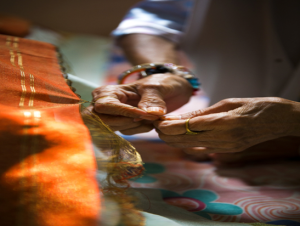
Madhya Pradesh is establishing a distinct identity through its rich handloom heritage and sustained efforts to empower its weaving community. This approach also reflects the core principles of responsible tourism, ensuring that economic benefits remain within local communities, development does not burden the social fabric of villages, and the focus remains on the artisans rather than merely the products they create.
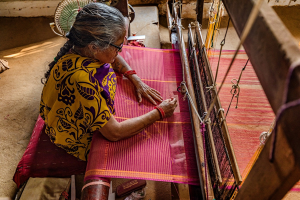
The weaving traditions of Chanderi and Maheshwar continue to serve as both a symbol of the state’s cultural heritage and a source of livelihood for thousands of families. Around 450 weaving families in Pranpur have been producing Chanderi textiles on traditional pit looms for generations. Similarly, in Keriyakhedi, the handloom sector provides employment to approximately 125 weavers from 60–70 families. Women play an active role in every stage of production from yarn preparation and dyeing to weaving, designing, and finishing making the industry socially and economically stronger.

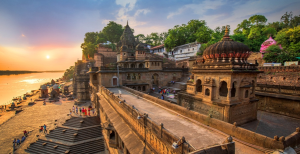
Maheshwar is now emerging not only as a destination for religious tourism but also as a hub for textile tourism. With support from the Madhya Pradesh Tourism Department and the Ministry of Textiles, a Textile Tourism Village is being developed at a cost of ₹5.11 crore. The project aims to promote the globally renowned Maheshwari saree weaving tradition while boosting rural tourism and increasing the incomes of local weavers. Planned infrastructure includes 10 homestays, a modern cafeteria, trekking trails, and improved riverfront (ghat) facilities. Visitors will have the opportunity to witness the weaving process firsthand and purchase products directly from artisans in a village that houses around 125 handlooms. The project is expected to elevate Maheshwar’s cultural identity and tourism appeal.
Today, the local markets of Chanderi and Maheshwar are not merely commercial centres but also important attractions for cultural tourism. Visitors from across India and abroad purchase textiles directly from weavers, cooperative societies, and craft centres. This enables artisans to receive better prices, reduces dependence on middlemen, and strengthens the local economy. The tourism-led marketing model is giving handmade products a new identity while effectively promoting the spirit of “Vocal for Local.”
On National Handloom Day, Madhya Pradesh’s initiative demonstrates that handloom is not merely an art of textile production but also a strong foundation for cultural identity, rural livelihoods, and sustainable development. The convergence of tourism and tradition is empowering the weaving community economically while playing a significant role in taking the state’s rich craft heritage to the global stage.

Advertisement:














Add Comment