





BY INDER RAJ AHLUWALIA
( THE WRITER IS AN INTERNATIONALLY RENOWNED , MULTIPLE AWARD – WINNING TRAVEL JOURNALIST AND AUTHOR)
NEW DELHI | 6 APRIL 2026
Going by local hearsay, the city’s famous for three things; colourful Art Nouveau buildings decorated with ceramics; the Kodaly method of musical education; and apricot brandy. Yes, good, strong apricot brandy!
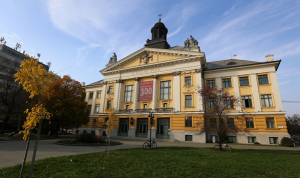
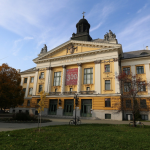
All this is undeniably true. But I discovered another invaluable local asset. The city manages to wring all the stress out of you.
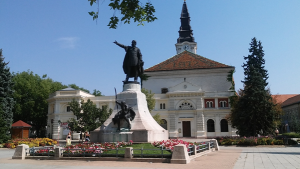
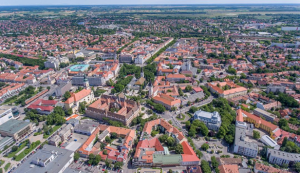
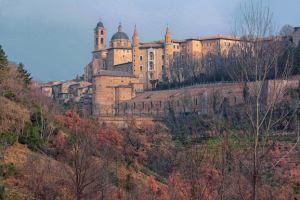
Kecskemet didn’t come as a surprise, simply because I didn’t know what to expect. It was just an exotic sounding name in a supposedly romantic region in an enchanting country. What I encountered was a living, thriving example of exquisite architecture, that doesn’t just define the city, but also a grand mindset.
Our initiation was via a leisurely drive before check-in at our downtown hotel. In the span of fifteen minutes, we’d passed by most of the stately structures for which the city is renowned. Not bad for a curtain-raiser, though not necessarily the best way to discover the local highlights.
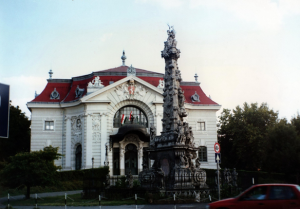
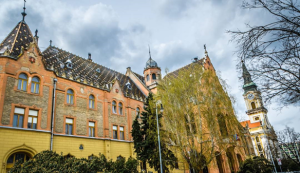
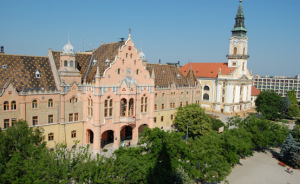
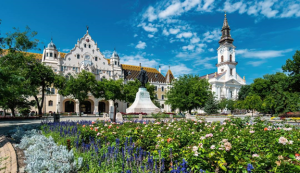
This place invites walking, and a walking tour of the city is an experience to be cherished. Our jaunt started off at the wide, impressive Kossuth Square that features a row of famous buildings, crossed by promenades. The tile- roofed Town Hall is a masterpiece of Hungarian Art Nouveau, a stunningly attractive municipal building with colourful flower decorations and beautiful frescoes in its marvelous conference hall. And the originally Gothic Franciscan church of St. Nicholas-the city’s oldest church built 600 years ago-sports rich baroque interiors and the Stations of the Cross in front.
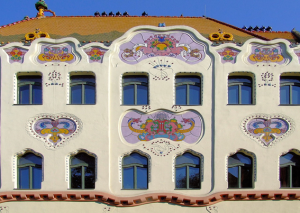
It is no secret that architectural design buffs go overboard while admiring the city’s monuments and unique museums with their nationally important collections. Ornamented with colourful floral patterns, the Cifrapalota (Fancy Palace) is an outstanding creation of Hungarian Art Nouveau, and houses the collection of the Kecskemet Museum of the Art of Painting, the works of 19 th and 20 th Century Hungarian painters. The school and college of the Calvinist church function in the Art Nouveau-style palace of the New College at Kalvin Square.

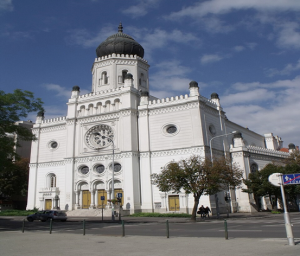
There is an overdrive of culture. The House of Science and Technology on Rakoczi Street operates in the former synagogue, built in the Romantic Moorish style, housing authentic plaster replicas of 15 statues by Michelaangelo Buonarroti. The Piarist Church and Monsatery shows characteristics of Hungarian Baroque, while the Lutheran Church shows the features of the Eclectic style. Works of eminent Hungarian folk artists enrich the collection of the Hungarian people’s Applied Arts Museum on Serfozo Street.
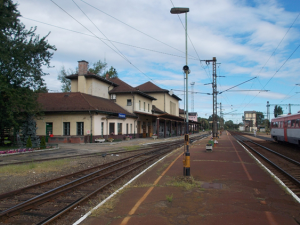
Some 2,500 paintings and statues-the country’s largest naïve fine arts collection-adorn the Museum of Hungarian Naïve Artists located on Gaspar A. Street.
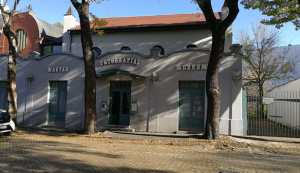
An unusual and very interesting institution, the ‘Szorakatenusz’ Toy Museum and Workshop, displays more than ten thousand railway models, children’s toys of the early 20 th Century, folk toys and children’s musical instruments. The country’s only photography museum, the Hungarian Museum of Photography, houses some 3,000 objects, while the Leskowsky Collection of Instruments exhibits 1,500 worldwide musical instruments.
The art factor stretches far. Amidst all the grand Art Nouveau on display, Kecskemet has another great distinction! It is the native city of Zoltan Kodaly, the famous Hungarian composer. The result is a rich musical heritage sustained by students from the world over who come to the summer training courses of the Zoltan Kodaly Musical Education Institute to study the composer’s musical methodology. Every hour, it is his melody that chimes across the city.
I did mention the apricot brandy! Well, it is there all right, exactly the way it has been for generations. Most people either like it instantly, or never ever get used to its rich taste and flavour. Strong, fruity, sweet, pale in colour- there’s also a darker version-and fiery in spirit. Served in small glasses, this renowned alcoholic beverage has been the city’s signature aperitif and goodwill ambassador for a long time now.
Hesitating over the first glass, I found myself a little keener with each sip, until I reached that nebulous stage where I was actually ‘merry’ with the stuff. Looking around, I reassuringly noticed that just about everyone around me seemed to be in the same happy state.
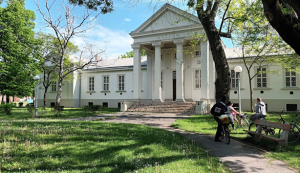
“The prairies billow like a sea” wrote the great Hungarian poet, Sandor Petofi, who was a lover of the Hungarian Puszta and the river Tisza. The river gives life to the sandy country and fish for the inimitably delicious fish soup made here.
Things seem to be in the right order in the region.The number of sunshine hours is the greatest in the country, and the abundantly flowing thermal water helps rejuvenation. You might say, Hungary’s Southern Great Plain is an exceptional place.
It most certainly is! And in a laid-back way Kecskemet tells you why!

Advertisement:















Add Comment