






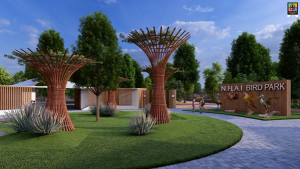
(An area of about 10 hectares will be developed as a bird park and bird sanctuary by 2026-27.)
TTT NEWS NETWORK
MUMBAI | 28 MARCH 2026
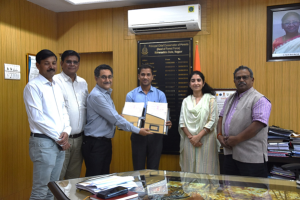
The National Highways Authority of India and the Forest Department, Government of Maharashtra have signed a Memorandum of Understanding (MoU) to develop Leaf No. 01 of Jamtha Cloverleaf Interchange on National Highway No. 44 in Nagpur as a citizen recreation and biodiversity area. This MoU marks a significant step taken by both the institutions towards environmental conservation and green infrastructure development.
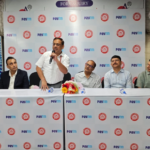
The MoU was signed by Rakesh Prakash Singh, Chief General Manager (Technical) and Regional Officer, National Highways Authority of India, and M. Srinivas Rao, Principal Chief Conservator of Forests (Van Dal Pramukh), Maharashtra State, Nagpur, at a recent event.
Under this project, about 10 hectares of land will be developed as a bird park and bird sanctuary during the period 2026-27, the National Highways Authority of India has informed. The objective is to create a recreational and biodiversity area in this area for the citizens. This will increase the ecological value of this area and tourists will be able to have a unique experience of nature. This project is an important part of the National Highways Authority of India’s Oxygen Park initiative. This initiative is a symbol of the advanced approach of combining environmental conservation with infrastructure development. The project will cost approximately Rs 34 crore.
The park will be developed on the concept of a bird sanctuary, which will include bird-friendly tree plantations, eco-friendly infrastructure, and elements that promote biodiversity conservation.
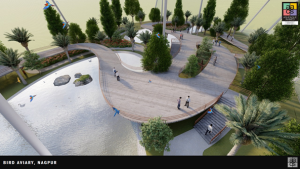
The main components of this project will be as mentioned below:
Bird Exhibit:
This will include a large walk-through aviary area for visitors. It will include special cages for parrots and tropical birds, protective enclosures for ground-dwelling birds, and natural habitats based on native plants.
Medical and Quarantine Facilities:
This will include dedicated hospitals or clinics for birds, quarantine areas for newly introduced birds, and special nurseries for raising chicks.
Operational infrastructure:
There will be a kitchen for bird feed, a temperature-controlled storage center for bird feed, a water purification and water recycling system for bird ponds, and a waste management system with a biodigester.
Tourist facilities:
There will be public facilities such as information and educational centers, ticket counters, souvenir shops, restaurants (temporary or semi-permanent), restrooms, and drinking water facilities, along with good footpaths and landscaping in the form of natural structures.
Security system:
There will be a chain link fence to define the boundaries of the park, along with a security room and CCTV surveillance system.
This initiative will be a major step towards environmental conservation, biodiversity enhancement and sustainable development. This project will also be a model for incorporating environmental considerations into infrastructure projects. Along with this, it is expected that this project will achieve the goal of public awareness, along with providing recreational opportunities for the citizens.

Advertisement:
















Add Comment