





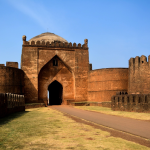


(State has identified 65 acres of land for its second Tiger Safari, to boost tourism near the Jungle Mahal Zoological Park)
BY AMRAPALI CHAKRABORTY
JHARGRAM | 12 SEPTEMBER 2026
In a major boost to wildlife tourism in South Bengal, tigers are all set to return to the forests of Jhargram after a hiatus of nearly 150 years. The state government has initiated the process of setting up a state-of-the-art tiger safari across 160 acres of land in the Dhabani Bit forest area on the outskirts of Jhargram city.
A financial allocation of Rs.25 crore has been approved for the smooth implementation of the ambitious eco-tourism project.
Minister Conducts High-Level Inspection:
On Wednesday, State Forest Minister Manoj Kumar Oraon made his maiden visit to the district since taking charge of the ministry. His arrival triggered an intense wave of administrative activity within the district’s local governance circles.
The Minister personally inspected the proposed forest land earmarked for the safari and visited the existing local zoological park. Following the field inspection, Minister Oraon chaired a high-level review meeting at the District Magistrate’s office to discuss execution timelines, security infrastructure, and environmental clearances with forest department officials and administrative heads.

Tourism Boost for South Bengal:
Jhargram has long been considered one of the key tourist destinations in South Bengal, known for its lush greenery and tribal heritage. The plan to establish a dedicated tiger safari here was formally announced in the state budget for the 2026–2027 financial year.
According to senior officials in the forest department—who had conducted preliminary surveys of the forest tract a few days prior—the project will serve as a massive economic driver. It is expected to create local employment opportunities and draw wildlife enthusiasts from across the country, fundamentally changing the tourism landscape of the region.
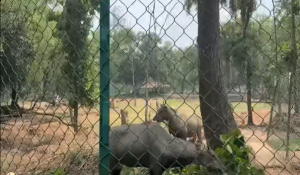
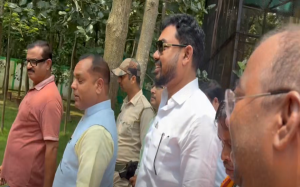
Forest Minister Manoj Oraon recently reviewed the upcoming tiger safari project at the Jhargram Zoological Park, accompanied by Nayagram MLA and Minister Amiya Kisku, MLA Laxmikant Sau, Pranath Tudu, and senior forest officials from the Jhargram, Kharagpur, Medinipur, and Rupnarayan divisions. The minister began his visit at the park’s veterinary hospital, where he expressed delight at seeing two baby macaws currently under care, and praised the zoo staff and forest department for their dedication. He then inspected the northern end of the zoological park, where the new tiger safari is being developed, before heading to the district administration office to chair a review meeting with local officials.
During the meeting, the Forest Minister highlighted the state government’s commitment to developing backward regions, noting that both Dooars and Jhargram have been prioritized since the government’s first budget. He confirmed that execution of the Chief Minister’s promised tiger safari will begin within a few days, featuring extensive fencing, boundary walls, and a new cafeteria. Four Royal Bengal tigers will be introduced to the park. Emphasizing that the project is a comprehensive tourism initiative rather than just a basic animal release, the minister stated that the safari will bring a radical boost to local tourism and is scheduled to launch within one and a half to two years.
He announced that critical issues—including the human-elephant conflict, forest land encroachment, and the demands of forest department volunteers—will be resolved today.
The Historical Return of the Tiger:
According to regional researcher Madhop De, tigers roamed freely in the forests of Jhargram about 150 years ago. This rich history is still preserved in the names of local villages like Baghjhampa, Baghghari, and Baghakuli. British records from 1869 even note that 16 pounds was paid as a bounty for culling 9 tigers, 8 leopards, 15 bears, and 2 hyenas.
Following that period, tigers vanished from the region for over a century. However, the narrative shifted recently when a tigress named Zeenat crossed over from Odisha into the Belpahari forest. While she remains within a monitored and controlled area, the return of tigers to Jhargram marks a monumental milestone for the region’s wildlife history.

Advertisement:















Add Comment