


(Inside Adevo Academy’s Consulting Model A story examining Adevo Academy’s Service Improvement Plan methodology and how sustainability is being integrated into service quality planning, operational processes and hospitality brand standards.)
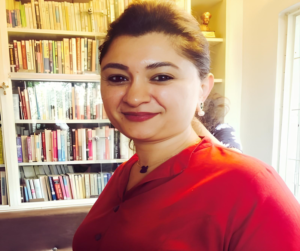
BY RASHMI KOPPAR,
Co – Founder, Adevo Academy
BENGALURU | 29 OCTOBER 2026
A guest remembers the warmth of a welcome, the care shown when a request is handled, or the comfort of finding a room ready after a long journey. These small moments can make a guest feel valued and turn an ordinary stay into a meaningful experience. Behind them are the people and processes that keep a hotel running well, from how teams are trained and service standards are followed to how managers support their staff and respond when something goes wrong.
Rashmi Koppar, Co-Founder of Adevo Academy, gained an early understanding of these demands through her experience at the Taj and Oberoi hotels. In luxury hospitality, service is not simply about being courteous. It depends on preparation, attention to detail, and clear processes and teams that understand what is expected of them.
Over time, her work in hospitality education and academic leadership at Ramaiah University of Applied Sciences added another perspective. She understood how training is designed, how people learn, and how difficult it can be to translate knowledge into everyday workplace behaviour. At Adevo Academy, these experiences now inform the way the team approaches training, service improvement, and operational systems.
Beyond the guest experience
India’s tourism sector is expanding, and the scale of the opportunity makes consistent service increasingly important. The Ministry of Tourism’s official dashboard recorded approximately 4.29 billion domestic tourist visits in 2025, up 45.6% from 2024. The government also estimated that tourism supported 84.63 million direct and indirect jobs in 2023–24. These figures point to an industry with a substantial economic and workforce footprint.
As hospitality businesses grow, maintaining service standards becomes more complex. A hotel may have a well-written standard operating procedure (SOP), but that alone does not ensure that every employee follows it during a busy shift. A training session may explain the right way to handle a complaint, yet the outcome still depends on whether a team member can apply that learning under pressure.
For a hotel operator, the question is not only whether standards exist. It is whether those standards are working and what the operation can do when they are not.
Connecting service with performance
This is the thinking behind Adevo Academy’s approach to Sustainability-Linked Service Improvement Planning (SL-SIP). The idea is to look at service quality alongside selected operational and resource-use indicators, rather than treating each as an isolated management concern.
The framework brings together measures such as guest satisfaction, complaints, response times, and intention to revisit with indicators such as energy use per occupied room, food waste, water consumption, and staff retention. The relevant measures would depend on the property, its operating model, and the information it can reliably collect.
For example, if guest complaints about room readiness increase, a hotel could examine the room allocation process, housekeeping workload, shift handovers, and staff training. If food waste is also rising, the review might look at forecasting, portioning practices, and communication between kitchen and service teams. The purpose is not to assume that one problem causes another, but to identify where operational practices may need closer attention.
A framework of this kind can help managers ask more useful questions. Instead of simply telling employees to improve service or reduce waste, it encourages teams to examine what is happening, identify practical changes, and track whether those changes make a difference.
What gets measured?
A service improvement plan is useful only when its measures are relevant to the operation.
Guest experience
- Indicators: Guest satisfaction, complaints, response time.
- What managers can examine: Service gaps and complaint-handling practices.
Housekeeping and rooms
- Indicators: Room-readiness delays, repeat service requests.
- What managers can examine: Staffing, shift handovers, and adherence to SOPs.
Food and beverage
- Indicators: Food waste, service delays.
- What managers can examine: Forecasting, food preparation, and service coordination.
Resource use
- Indicators: Energy consumption per occupied room, water consumption.
- What managers can examine: Operating practices and avoidable resource use.
People and training
- Indicators: Staff retention, training completion, observed performance.
- What managers can examine: Skills gaps, supervision, and workplace support.
From Training to Everyday Operations
At Adevo Academy, the emphasis is on connecting training and consulting with the realities of daily operations. Their work spans customized hospitality training, SOP development, learning and development (L&D) program design, performance management, and process optimization. They also work with organizations across hospitality, retail, and facilities management, where customer-facing teams need clear standards and practical support.
The process begins with understanding the operation. A property may need to improve complaint handling, strengthen housekeeping routines, reduce inconsistencies between shifts, or prepare supervisors to manage teams more effectively. The priorities should come from the business’s actual needs rather than a standard package applied to every client.
From there, an improvement plan can bring together revised procedures, targeted training, responsibilities for managers, and a process for reviewing progress. A dashboard may help make trends visible, but it cannot replace conversations with employees or observation of the work itself. If a measure is not improving, managers need to understand why before introducing another training session or changing a procedure.
Making Better Service a Daily Practice
Rashmi Koppar’s journey from hotel operations to academia and then to Adevo has reinforced one belief: good service cannot depend entirely on individual effort. People need the right skills, but they also need workable processes, clear expectations, and managers who support them.
For Adevo Academy, the larger goal is to help organisations build that consistency through People, Process and Performance. A framework such as SL-SIP offers one way to organize the questions that managers ask, connect selected indicators, and turn findings into practical action.
The real test is not how many measures appear on a dashboard. It is whether the team can see what needs to change, understand its role in that change, and deliver a better experience more consistently. When that happens, service improvement becomes part of the way a business operates, not another initiative that fades after the review meeting ends.

Advertisement:










Add Comment