







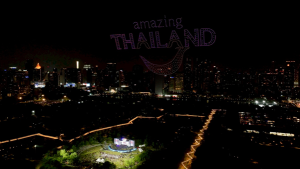
(Festival continues through 15 April with extended celebrations in select locations, reinforcing Thailand’s global standing as a leading cultural destination with sustained domestic and international growth)
TTT NEWS NETWORK
KOLKATA | 18 APRIL 2026
The Tourism Authority of Thailand (TAT) reports strong nationwide performance for Songkran Festival 2026, with tourism activity exceeding expectations across all regions during the 11–15 April period. The festival is projected to generate more than 30.35 billion Baht in tourism revenue, a 6 per cent increase year-on-year, reflecting sustained confidence among both Thai and international travellers and reinforcing its growing stature as a world-class cultural event.
Ms. Thapanee Kiatphaibool, TAT Governor, said, “The strong performance of Songkran 2026 highlights the global appeal of Thailand’s cultural charm and reflects strong collaboration across government, private sector, and communities in elevating the festival to an international level. Guided by our value-based tourism direction, we continue to showcase Thai identity through culture, traditions, cuisine, and creativity, while advancing Thai festivals globally and supporting sustainable, high-value tourism.”

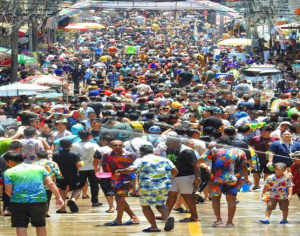
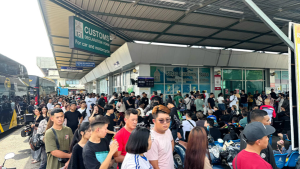
In Bangkok, major celebration areas including Silom Road, Siam Square, and Khao San Road recorded consistently high attendance. TAT’s flagship Maha Songkran World Water Festival 2026 at Benjakitti Park welcomed 108,640 visitors between 11 and 13 April, including 56,368 Thai and 52,272 international visitors, generating an estimated economic impact of 283.68 million Baht. The Saneh Art by Songkran Festival 2026 at Lumphini Park attracted more than 94,546 visitors, with programming that resonated strongly with younger audiences and drove engagement.

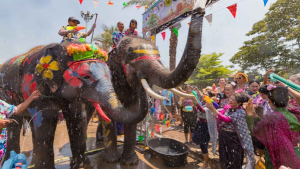
Across the regions, Phra Nakhon Si Ayutthaya remained a key destination, with its “Songkran with Elephants” celebrations drawing strong interest. In the North and Northeast, provinces integrated Songkran festivities with traditional practices including water-pouring rituals over Buddha images, cultural parades, and Rot Nam Dam Hua ceremonies, reinforcing the cultural depth of the festival. Dedicated water-play streets drew large crowds, combining festive energy with community participation and offering more meaningful, culturally immersive experiences.
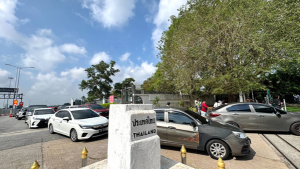
In the South, tourism activity expanded notably in Songkhla. The Sadao border crossing recorded over 36,000 crossings between 10 and 12 April, driven primarily by Malaysian visitors, while average hotel occupancy reached around 80 per cent.
Total arrivals are projected at 70,000, generating approximately 700 million Baht in local tourism revenue. Deep South border towns including Betong in Yala and Su-ngai Kolok in Narathiwat extended celebrations into evening programming with events such as “Suk Sanuk Songkran Chaaidaen Tai” and SUNGAIKOLOK Midnight Songkran 2026, reinforcing the appeal of border communities as emerging cultural and evening tourism destinations.

For the 11–15 April festival period, international arrivals are projected at approximately 500,000 visitors, a 4 per cent increase year-on-year, generating around 8.1 billion Baht in revenue. Domestic tourism is expected to reach 5.96 million trips, a 7 per cent increase, contributing approximately 22.25 billion Baht. Combined, these figures are projected to generate more than 30.35 billion Baht in tourism revenue, marking a 6 per cent increase over the same period last year.
TAT affirms that Songkran remains a key driver of Thailand’s tourism economy, supporting revenue generation, regional distribution, and the country’s global reputation for high-quality cultural experiences. While the nationwide peak concludes on 15 April, selected destinations will continue celebrations beyond the official period, sustaining travel momentum and extending the festival’s overall impact.

Advertisement:














Add Comment