







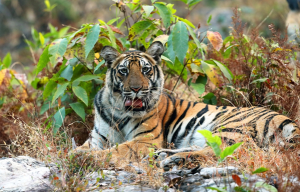
*India’s ‘Tiger State’: Madhya Pradesh’s Conservation Model Emerges as a Global Benchmark with 785 Big Cats
*How Big Cat Conservation Transformed Forests and Local Lives
A Global Benchmark for Sustainability: Linking Wildlife Preservation directly to Rural Economies
TTT NEWS NETWORK
BHOPAL| 29 JULY 2026
India’s ‘Tiger State’, Madhya Pradesh, is gaining global recognition not just for its impressive population of 785 tigers, but for its pioneering community-based conservation model. By integrating forest preservation with rural livelihoods, women empowerment, eco-tourism, local entrepreneurship, and environmental management, the state has built a sustainable ecosystem where nature and local communities thrive together.
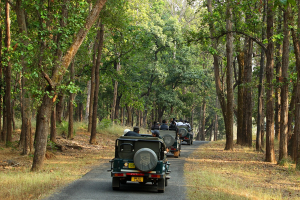
Highlighting this strategy, Dr. Ilayaraja T., Managing Director of the Madhya Pradesh Tourism Board (MPTB) and Tourism Secretary, stated: “Our core objective is to make local communities the primary stakeholders in forest conservation. When local families earn their livelihoods directly through homestays, safari operations, and eco-tourism, protecting the forest ceases to be a legal burden—it naturally becomes their responsibility and top priority.”
Community Involvement and Local:
Economy Rural and indigenous communities surrounding major tiger reserves—including Kanha, Bandhavgarh, Pench, Panna, and Satpura—have transformed into active partners in conservation. Thousands of families now benefit from employment opportunities as safari drivers, local guides, homestay hosts, and artisans.
Visitors to these tiger reserves frequently purchase locally crafted bamboo items, terracotta art, Gond paintings, and traditional products directly from artisans. This has strengthened the rural economy while providing a global market for tribal art.
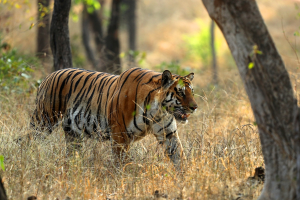
Panna’s Historic Revival: From 0 to 80+ Tigers:
The most dramatic testament to Madhya Pradesh’s conservation strategy is the Panna Tiger Reserve. After losing its entire tiger population in 2009, Panna executed a historic recovery powered by scientific management, habitat restoration, and active community participation. Today, Panna is home to over 80 tigers, standing as one of the world’s most successful wildlife recovery stories.
Scaling Eco-Tourism: 95 Registered Homestays According to data from the Madhya Pradesh Tourism Board, 95 registered homestays are currently operational around the state’s primary national parks and reserves: Kanha Region: 31 homestays Bandhavgarh Region: 24 homestays Panna Region: 16 homestays Pench Region: 13 homestays Madhai-Satpura Region: 11 homestays
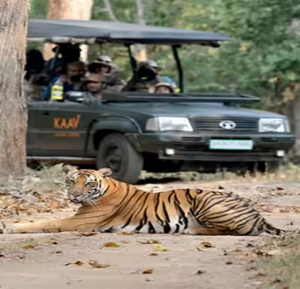
These homestays allow travelers to buy authentic artwork and handicrafts directly from village households, bypassing intermediaries and ensuring tourism dollars directly benefit local families.
‘Project Clean Destination’: Turning Waste into Livelihoods Plastic pollution presents a severe threat to wild habitats. To mitigate this, MPTB partnered with private stakeholders in 2022 to launch ‘Project Clean Destination’ around the Panna Tiger Reserve: 30 Villages Covered: A community-led solid waste management framework was established across 30 villages in 14 village councils (Gram Panchayats). 45+ Tonnes Processed: Over 45 tonnes of solid waste have been scientifically processed to date. Upcycling & Empowerment: Approximately 42% of non-recyclable plastic waste is upcycled via Ecokaari into consumer goods such as bags, stationery, and folders, creating employment for local women. Following its success in Panna, this clean destination model has also been expanded to the Bandhavgarh Tiger Reserve.

Women Leading Frontline Conservation:
Women empowerment has become a defining feature of the state’s conservation campaign. Local tribal women are trained as safari guides and 4×4 Gypsy drivers, securing financial independence. Concurrently, local Joint Forest Management Committees actively collaborate with forest officials to prevent poaching, safeguard wildlife corridors, and promote human-wildlife coexistence. Technology Meets Boots on the Ground Madhya Pradesh balances community involvement with modern monitoring techniques.
Forest guards and beat guards rely on the GPS-enabled M-STrIPES mobile platform for real-time tracking of tigers and habitat health. Additionally, initiatives like ‘Buffer Mein Safar’ (Journeys in the Buffer Zone) promote year-round sustainable eco-tourism, relieving visitor pressure on core park habitats. The conservation network continues to expand with newly designated areas such as Veerangana Durgavati and Ratapani tiger reserves.
Conclusion With 785 tigers, Madhya Pradesh demonstrates to the world that successful wildlife conservation extends far beyond fencing forests. By aligning community involvement, women leadership, sustainable tourism, and clean environments, the state offers a compelling blueprint for the future of global conservation.

Advertisement:

















Add Comment