



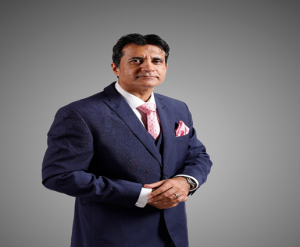
BY DEEPAK NANGLA ,
( MANAGING DIRECTOR, PREMIER BY BRIGHTSUN)
NEW DELHI | 26 MAY 2026
Luxury safaris in Africa have seen a notable surge in demand, driven by travellers seeking immersive, high-end experiences that go beyond conventional tourism. Recent industry estimates indicate that the global safari tourism market is growing at over 6–8% annually, with luxury segments accounting for a significant share of this expansion. In Africa alone, premium safari bookings have risen by nearly 25% over the past three years, reflecting a shift toward experiential travel where exclusivity, sustainability, and comfort converge in some of the world’s most untouched landscapes.
One of the defining elements of a luxury safari is access—both in terms of geography and experience. Private conservancies and remote reserves allow travellers to explore vast terrains with minimal crowds, often limited to a handful of vehicles per sighting. This exclusivity not only enhances wildlife encounters but also ensures a deeper, more intimate connection with nature. From witnessing the Great Migration across East Africa to tracking elusive predators in Southern Africa, these curated experiences are designed to feel personal rather than performative.
Equally central to the appeal is the level of accommodation, which has evolved far beyond traditional notions of camping. Today’s luxury safari lodges and tented camps blend seamlessly into their surroundings while offering world-class amenities—spacious suites, private plunge pools, fine dining, and personalised service. According to recent travel insights, over 60% of high-net-worth travellers prioritise accommodation quality as a key factor when choosing a safari, underscoring the importance of comfort even in the most remote settings.
Another hallmark of luxury safaris is the emphasis on guided expertise. Highly trained guides and trackers elevate the experience by offering nuanced insights into animal behaviour, ecosystems, and conservation efforts. This depth of knowledge transforms each game drive into an educational journey, where sightings are contextualised rather than simply observed. Data suggests that travellers who engage in guided safaris report significantly higher satisfaction levels, particularly when experiences include storytelling and cultural interactions with local communities.
Sustainability has also become a cornerstone of the modern luxury safari. With increasing awareness around conservation, many safari experiences are designed to minimise environmental impact while actively supporting wildlife protection and local livelihoods. Nearly 70% of luxury travellers now consider eco-conscious practices when booking trips, making sustainability not just an ethical choice but a defining feature of premium travel in Africa.
Beyond wildlife, luxury safaris are expanding to include a broader range of experiences—hot air balloon rides over savannahs, walking safaris, river cruises, and wellness offerings set against dramatic natural backdrops. This diversification reflects a growing demand for holistic travel, where adventure is balanced with relaxation and cultural immersion.
As global travel preferences continue to evolve, luxury safaris in Africa stand out as a compelling intersection of authenticity and indulgence. They offer more than just a glimpse into the wild—they provide a thoughtfully curated journey where every detail, from landscape to lodging, is designed to create lasting, meaningful memories.

Advertisement:











Add Comment