




TTT NEWS NETWORK
PANJIM | 28 AUGUST 2026
Introduction – From village walks and food trails to heritage, nature and community-led experiences, Goa is embracing a new generation of travellers looking to experience the destination through its people, stories, and living culture.
For decades, Goa has been synonymous with beaches, nightlife, and the quintessential holiday by the sea. But increasingly, a new kind of traveller is changing the way the destination is being discovered. Visitors are moving beyond the conventional sightseeing checklist and looking for experiences that allow them to understand Goa through its food, heritage, architecture, nature, festivals and, most importantly, its people.
For Goa’s tourism industry, this represents an opportunity to expand the destination’s proposition beyond the beach and create a more diverse, sustainable, and community-driven tourism economy.
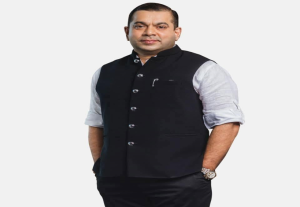
“The future of tourism is about moving from destinations that are merely visited to destinations that are experienced,” says Tourism Minister, Government of Goa, Shri. Rohan Khaunte. “Goa’s greatest strength is that our tourism story is not limited to our coastline. Our culture, heritage, cuisine, communities, festivals, traditions, and natural landscapes offer an extraordinary range of experiences. We want visitors to discover the Goa beyond the familiar and, in doing so, create opportunities for more communities across the state to participate in and benefit from tourism.”
The shift is already being witnessed on the ground by experiential tourism operators. Soul Travelling currently operates more than 15 curated experiences across Goa every day, covering culture, heritage, food, nature and local communities. The company hosted approximately 12,000 travellers last year across domestic and international segments, while deliberately keeping many of its experiences small and intimate.
“Travellers are moving from ‘What should I see?’ to ‘What can I experience?’” says Varun Hegde, Founder, Soul Travelling. “People increasingly want to meet locals, understand cultures, try something hands-on and discover stories they wouldn’t find on their own. It’s not about just seeing Goa anymore; it is about immersing in activities from a local’s perspective.”
That change is also reflected in the scale of the experiential tourism ecosystem being built by operators such as Make It Happen. The company works with around 40 storytellers and more than 100 local hosts and community members, including musicians, artists, home chefs, residents and families who open their homes, share meals and stories and give travellers a window into their way of life. Make It Happen currently caters to approximately 20,000 travellers annually. “Travellers today are increasingly moving beyond the idea of simply seeing a destination. They want to understand it, participate in it and connect with the people who call it home,” says Maria Victor, CEO, Make It Happen.
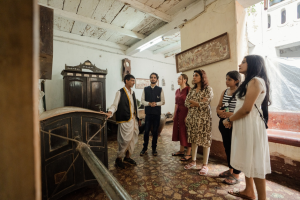
“Traditional sightseeing is often about checking landmarks off a list. Experiential travel is about asking deeper questions: Who lives here? What stories have shaped this place? What do people eat, celebrate, believe in, and preserve?” she adds.
The power of native Goa
The growing appetite for experiential travel is opening up a very different Goa for visitors.
Village saunters, food trails, interactions with artisans and storytellers, nature-based experiences, heritage walks, and participation in local festivals are increasingly becoming part of the visitor experience.
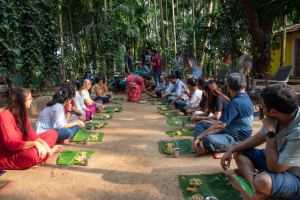
Food, in particular, offers a powerful entry point into Goa’s culture. A meal at a family-run establishment or an introduction to local cuisine can tell a visitor as much about the destination as a monument can. According to Varun Hegde, food, local culture and festivals, nature, heritage and community-led experiences are seeing growing interest among both domestic and international travellers.
“International travellers often have more time for deeper exploration, while domestic travellers usually look for immersive experiences that fit into shorter itineraries,” “However, that gap is increasingly narrowing. says Varun Hegde.
Maria Victor sees a similar evolution. “Goa is increasingly being seen as much more than a beach destination. Travellers are showing greater interest in its heritage, food, architecture, music, art, nature and local communities,” she says.
“People are seeking experiences such as village saunters, food trails that introduce them to local cuisines and family-run establishments, interactions with artisans and storytellers, nature-based experiences, village explorations and festivals that offer an insight into Goa’s living culture,” she adds.
The motivation behind this shift is also changing. Travellers today have unprecedented access to information about destinations before they arrive. A famous landmark alone is no longer necessarily enough to create a compelling reason to travel.
Social media has also made people more curious about discovering places beyond the obvious, while there is a growing desire for authentic, meaningful, and personalised travel. Post-pandemic, smaller groups, genuine human connections, and meaningful experiences have also assumed greater importance.
Increasingly, the holiday souvenir is not simply a photograph. It is a story. It’s an investment into an experience.
From tourism to participation
Experiential tourism also creates an opportunity to distribute the economic benefits of tourism more widely.
Instead of concentrating visitor spending around hotels, beaches and established tourist zones, community-led experiences can bring travellers into villages and neighbourhoods and create opportunities for local hosts, artists, musicians, artisans, home chefs, storytellers, and small businesses.
The result is a more participatory tourism economy in which local communities are not merely providers of services but custodians and storytellers of the destination.
This is an approach that the Department of Tourism sees as central to the evolution of Goa’s tourism offering.
“Experiential tourism gives us the opportunity to take tourism deeper into Goa’s communities and hinterland,” says Shri. Kedar Naik, Director of Tourism, Government of Goa. “Our villages, traditional occupations, cuisine, architecture, festivals, waterways, and natural landscapes are not simply attractions; they are living parts of Goa’s identity. The objective should be to create responsible visitor experiences around these assets while ensuring that local communities are active participants and beneficiaries.”
The opportunity, however, comes with a responsibility: making lesser-known experiences more accessible without compromising the very qualities that make them attractive.
Making the hinterland more accessible
The answer, according to the stakeholders, lies partly in infrastructure.
“Goa already has the experiences; we need to make them more accessible and visible,” says Varun Hegde.
He points to better public transportation, access to affordable taxi services, clear signage, walking and cycling infrastructure, and support for local communities as measures that could encourage travellers to explore Goa’s villages, culture, heritage and natural landscapes more meaningfully.
For Maria Victor, infrastructure must also be designed around sustainability. “The starting point has to be sustainable infrastructure and conservation,” she says. “As a community, we have been observing rising temperatures, changing rainfall patterns and a gradual loss of green cover over the years. So, as Goa develops its tourism infrastructure, it is paramount that we protect its forests, farmlands, and natural ecosystems.”
Future infrastructure planning, she adds, should strategically include more trees and green spaces rather than treating them as an afterthought. “Goa’s natural environment is one of its greatest assets, and preserving it is essential not just for the well-being of local communities, but also for the future of tourism.”
The government’s approach is similarly focused on creating a more balanced tourism geography.
A new tourism economy
The evolution of experiential tourism could ultimately change Goa’s tourism proposition itself.
The beach will remain an important part of the Goa experience. But increasingly, it may be only the starting point.
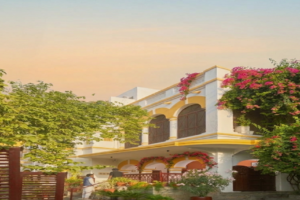
A traveller could spend a morning walking through a heritage neighbourhood, have lunch with a local family, discover traditional food, meet an artisan, explore a village, listen to a local storyteller and experience a festival or cultural tradition before ending the day by the sea.
For local communities, this can translate into new livelihoods and opportunities. For travellers, it creates a deeper connection with the destination. And for Goa, it provides an opportunity to build a tourism economy that is more dispersed, diverse and resilient.
The shift is already underway.
Soul Travelling’s 12,000 annual travellers and Make It Happen’s approximately 20,000 travellers demonstrate that there is a significant market for experiences that go beyond conventional sightseeing.
For Goa, the opportunity is not simply to persuade tourists to stay longer. It is to give them more reasons to explore, participate and connect.
As Varun Hegde of Soul Travelling puts it, Goa already has the experiences. The next step is to make them more accessible and visible.
The future of tourism in Goa may therefore not be about moving tourists away from the beach.
It may be about giving them a reason to leave it.

Advertisement:











Add Comment